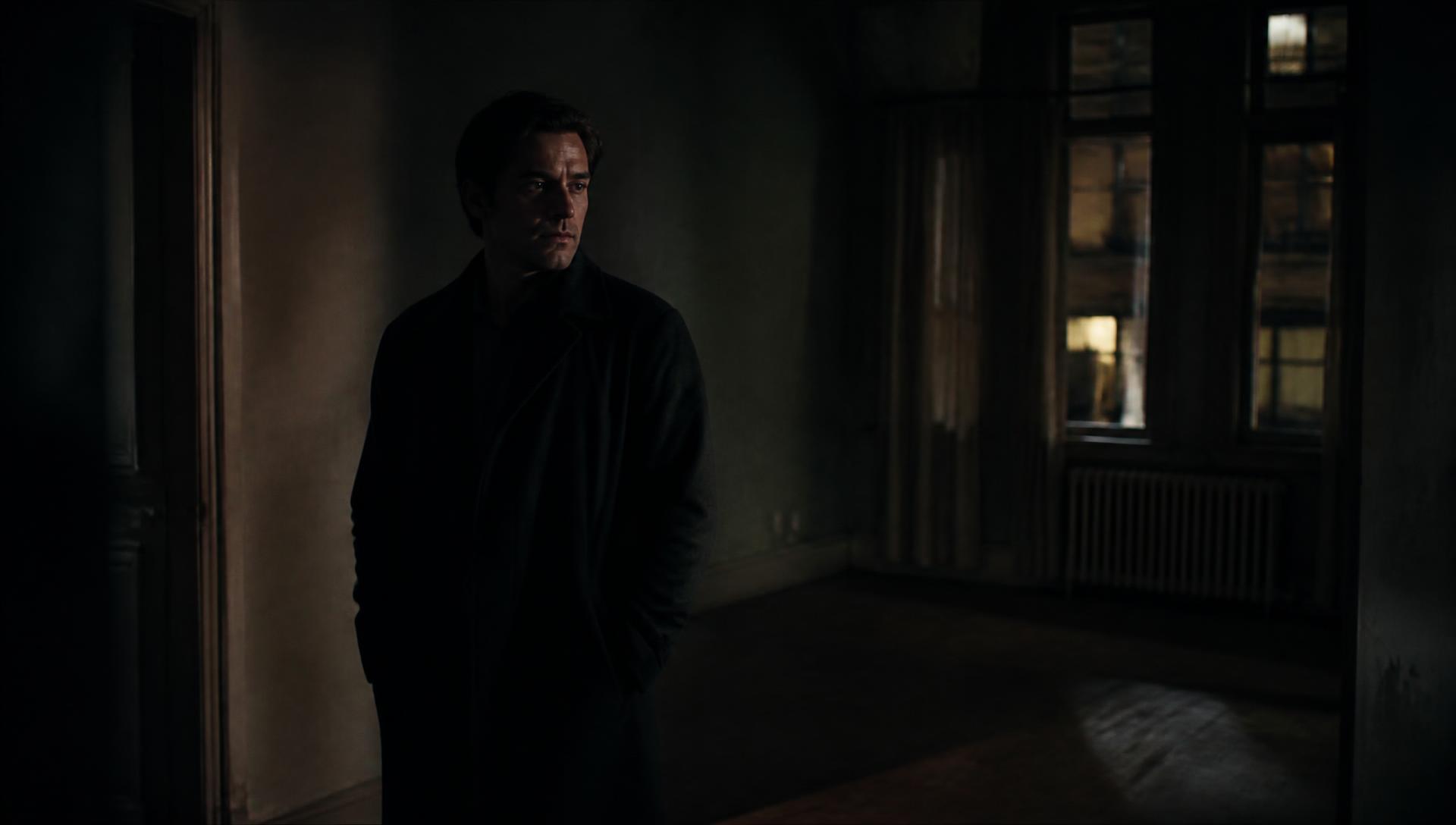
WHAT REMAINS
Some memories refuse to stay buried.
Directed by ASAAD · Original Score by Amr Shaker
Watch the Film
Synopsis
A man retraces the last places he shared with the woman he loved — only to discover that the journey is not helping him find her, but forcing him to confront how he lost her.
Before dawn, an exhausted man sits alone in an old Cairo bedroom, holding a worn photograph of a woman. He opens a drawer of her belongings, takes a key and the photograph, and leaves. At a neighborhood kiosk, an older man hands him something she left behind. The object unlocks a life that once existed in the same streets.
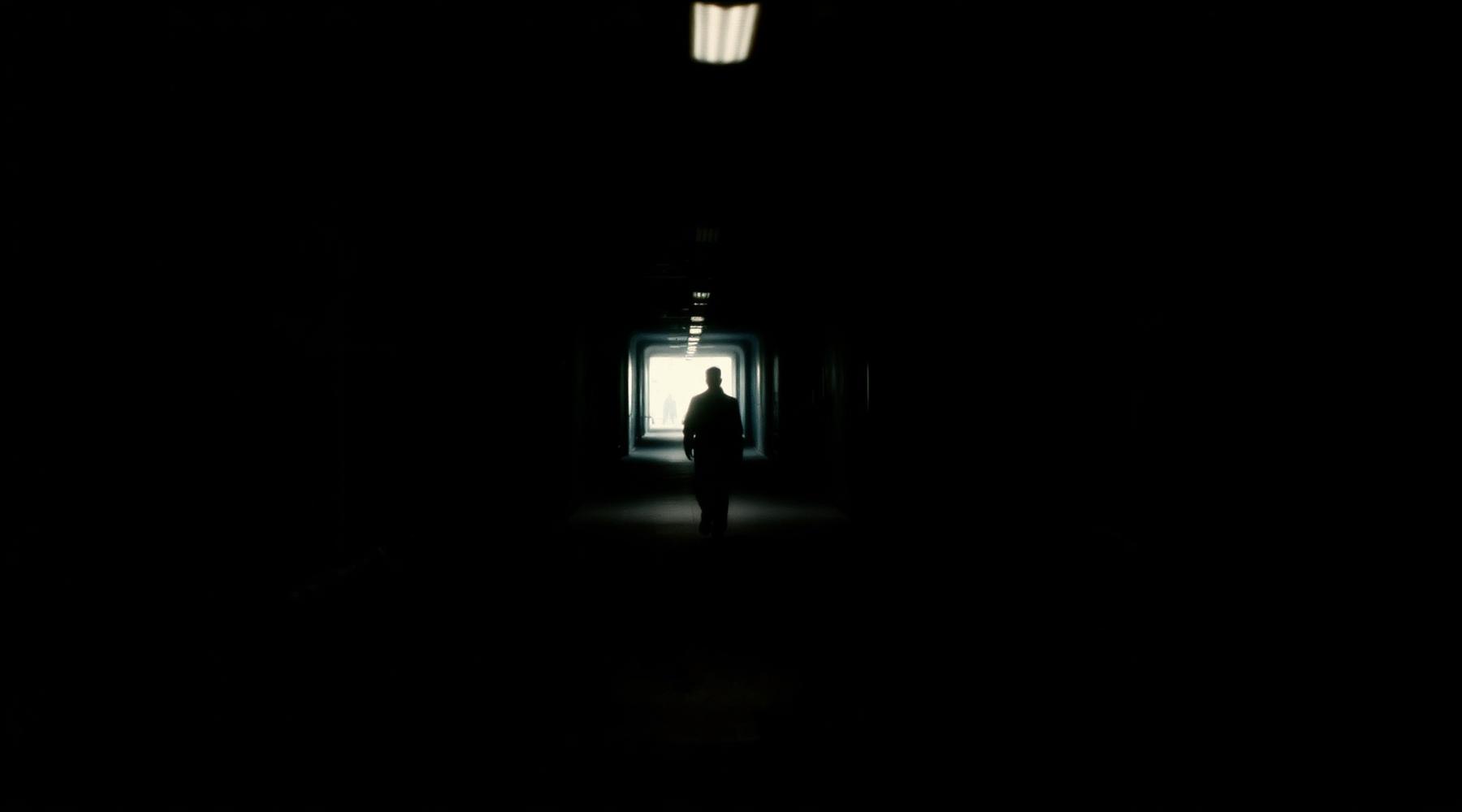
As the score builds, she returns through memory — walking beside him, smiling, then appearing ahead in a pedestrian tunnel. He follows; passing bodies occlude her and she is gone. At a hospital information window, a patient document and identification bracelet reveal the truth he has resisted. She is not missing. She is gone.
He leaves in denial. The last drive reconstructs itself: a quiet moment, approaching headlights, a sudden brake, shattered glass. In a vehicle impound yard he finds the damaged car and understands that he was behind the wheel. Inside, dust and broken glass — and her scarf. He returns to the bedroom carrying the photograph and the last thing that remains. The search is over. Nothing is resolved.
Creative Approach
01
A Film Built From Music
The film began with an original instrumental score composed by Amr Shaker. With no dialogue or voice-over, the story was developed entirely around the emotional progression of the music — moving from curiosity and discovery to denial, guilt and acceptance.
02
Visual Direction
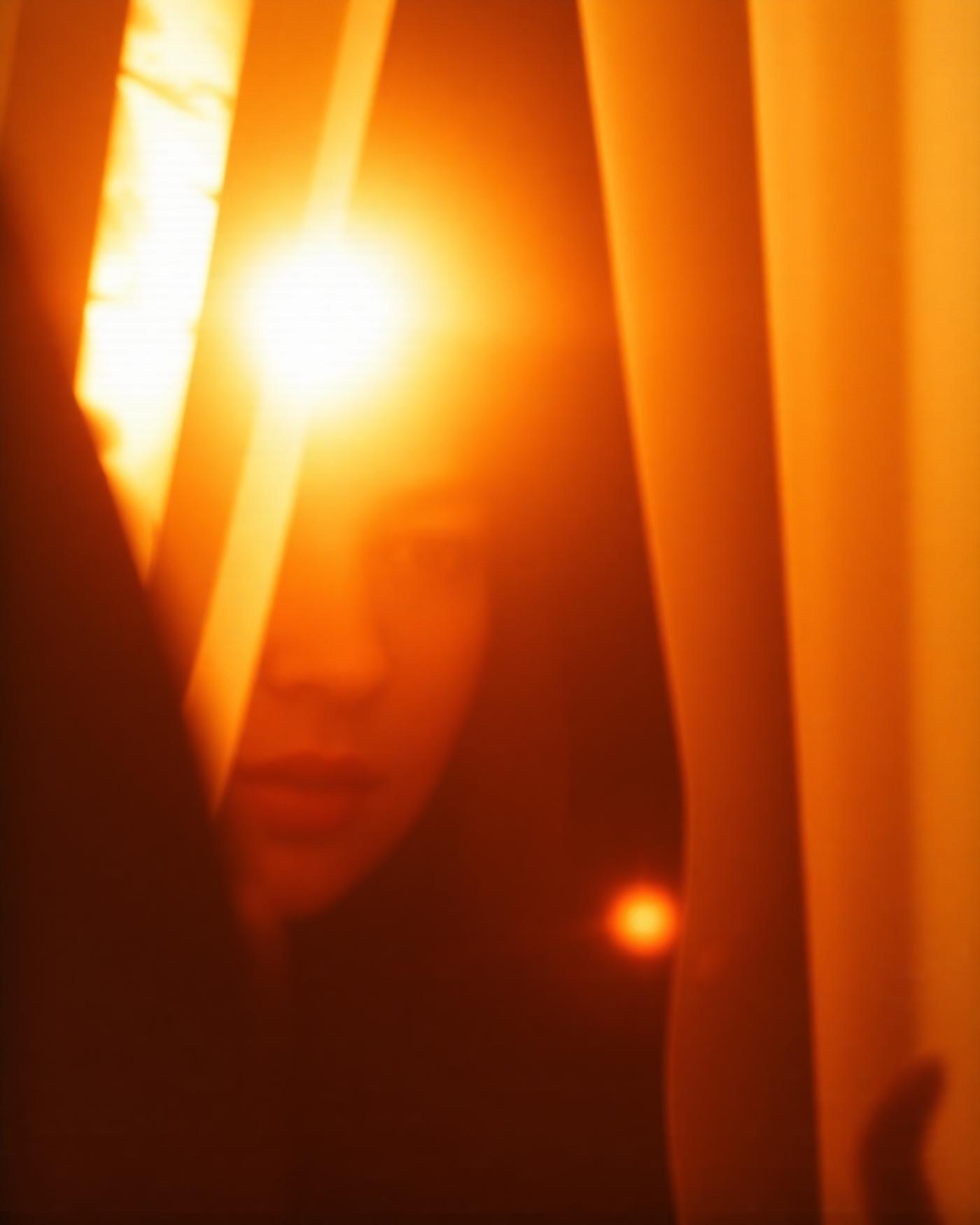
The visual language combines grounded Egyptian locations with restrained psychological drama. Memories are warmer and more intimate, while the present remains muted, desaturated and emotionally distant.
03
AI Production
Each scene was designed frame by frame, then animated as connected cinematic sequences. Character consistency, realistic acting, natural camera movement and location continuity were prioritized throughout the production.
Visual Language
Locations
Old Cairo apartment, worn stairwell, neighborhood kiosk, urban street, pedestrian tunnel, ordinary hospital, city road and vehicle impound yard.
Palette
Charcoal, dusty olive, aged beige, hospital blue-gray and a restrained amber warmth reserved for memory.
Camera
35mm and 50mm for environment and movement, 85mm for emotional close-ups. Controlled handheld, slow push-ins and motivated match cuts.
Lighting
Practical natural light. Dawn in the apartment and street, neutral institutional light in the hospital, overcast realism in the impound yard.
Performance
No theatrical crying, no exaggerated panic. Emotion lives in the eyes, the breath, body tension and small interactions with objects.
Memory Rule
Slightly warmer and softer than the present — never translucent, supernatural, dreamlike or decorative. She exists through ordinary memory.
Twelve Sequences, Thirty-One Shots
The film is cut to the emotional architecture of the score — from numbness to evidence to aftermath.
- 01 00:00–00:13
The Trigger
Int. Old Cairo Bedroom — Pre-Dawn
A sleepless man holds a worn photograph, then opens a drawer he has avoided touching. Slow push-in, intimate insert, over-the-shoulder reveal.
- 02 00:13–00:25
The Decision
Int. Bedroom — Continuous
A bracelet, keys, a scarf, small keepsakes. He takes the photograph and key, closes the drawer, stands. Quiet, irreversible.
- 03 00:25–00:38
The Departure
Int./Ext. Building & Street — Dawn
The worn corridor, the staircase, the nearly empty city. The score begins to travel; the search physically starts.
- 04 00:38–00:52
The Witness
Ext. Neighborhood Kiosk — Morning
An older man recognizes him without explanation and hands over a patterned item that was hers. Private grief becomes shared history.
- 05 00:52–01:05
The First Memory
Ext. Old Urban Street — Morning / Memory
A match cut places her beside him in the same street. For a few seconds they walk together, sharing an ordinary smile.
- 06 01:05–01:18
The Apparition
Int. Pedestrian Tunnel — Day
She walks ahead in the dim tunnel. Passers-by cross between them; when the frame clears she is gone and his hand stays in the empty space.
- 07 01:18–01:30
The Confirmation
Int. Ordinary Hospital — Day
A patient document and an identification bracelet at the information window. The first objective proof — she was never waiting to be found.
- 08 01:30–01:42
The Denial
Ext. Hospital / City Road — Day
He exits struggling to breathe and walks beside the road while ordinary traffic continues. Denial turns into urgent pursuit.
- 09 01:42–01:54
The Last Drive
Int. Moving Car — Memory
They sit together, a small smile, then headlights fill the windshield. He brakes and the memory fractures into cracked glass.
- 10 01:54–02:06
The Evidence
Ext. Vehicle Impound Yard — Day
Rows of damaged vehicles, searched in silence. Then the car from the memory, crushed and abandoned. He cannot move.
- 11 02:06–02:16
What Remains
Int. Damaged Car — Continuous
He forces the door and looks inside. Among dust and broken glass, her scarf. His hand pauses before lifting it.
- 12 02:16–02:22.6
Aftermath
Int. Old Cairo Bedroom — Morning
He sits where the film began, the photograph and scarf in his lap. A single static wide. The city continues; he does not.
Process
- Music Analysis
- Story Development
- Storyboard
- AI Frame Generation
- Video Generation
- Editing & Sound Design
Credits
- Directed by
- Asaad
- Original Score by
- Amr Shaker
- Story & Visual Direction
- Asaad
- Editing & Post-Production
- Asaad
- Year
- 2026