The hardest thing in this film wasn’t a scene. It was making memory visible without saying the word out loud.
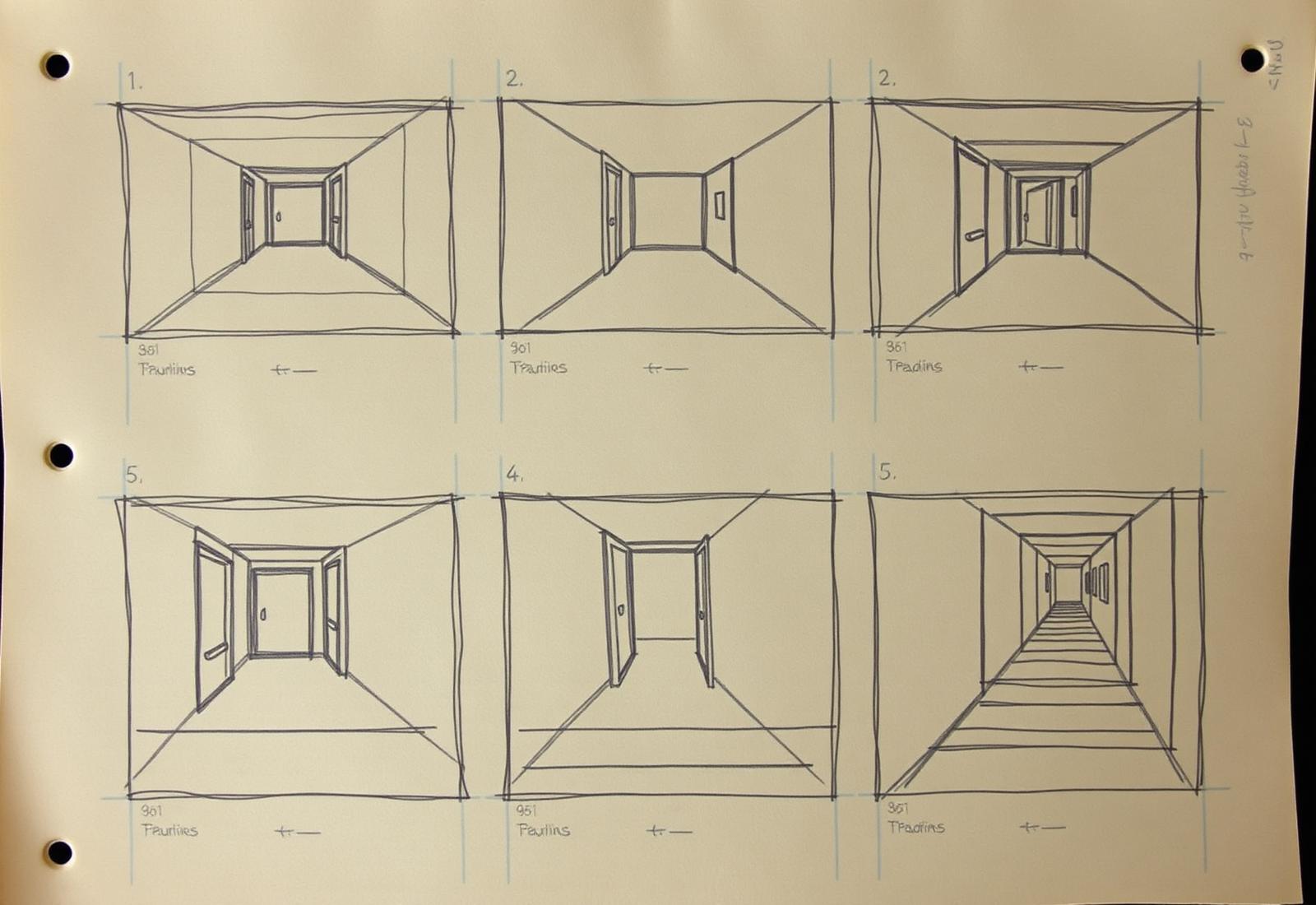
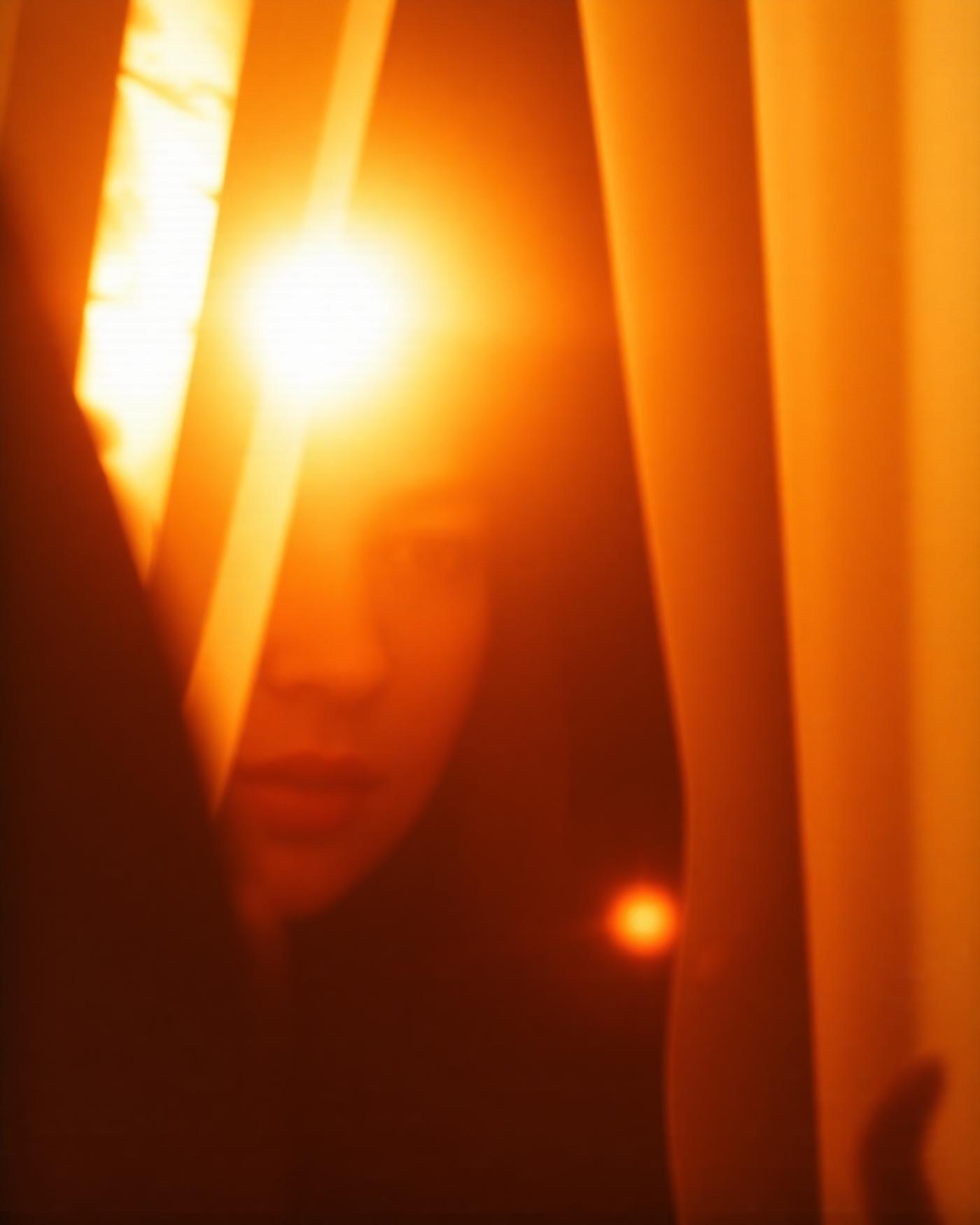
Memory was given warmth and softness. The present was given straight lines and empty rooms. Nothing had to be explained once the two looked different enough to feel different.
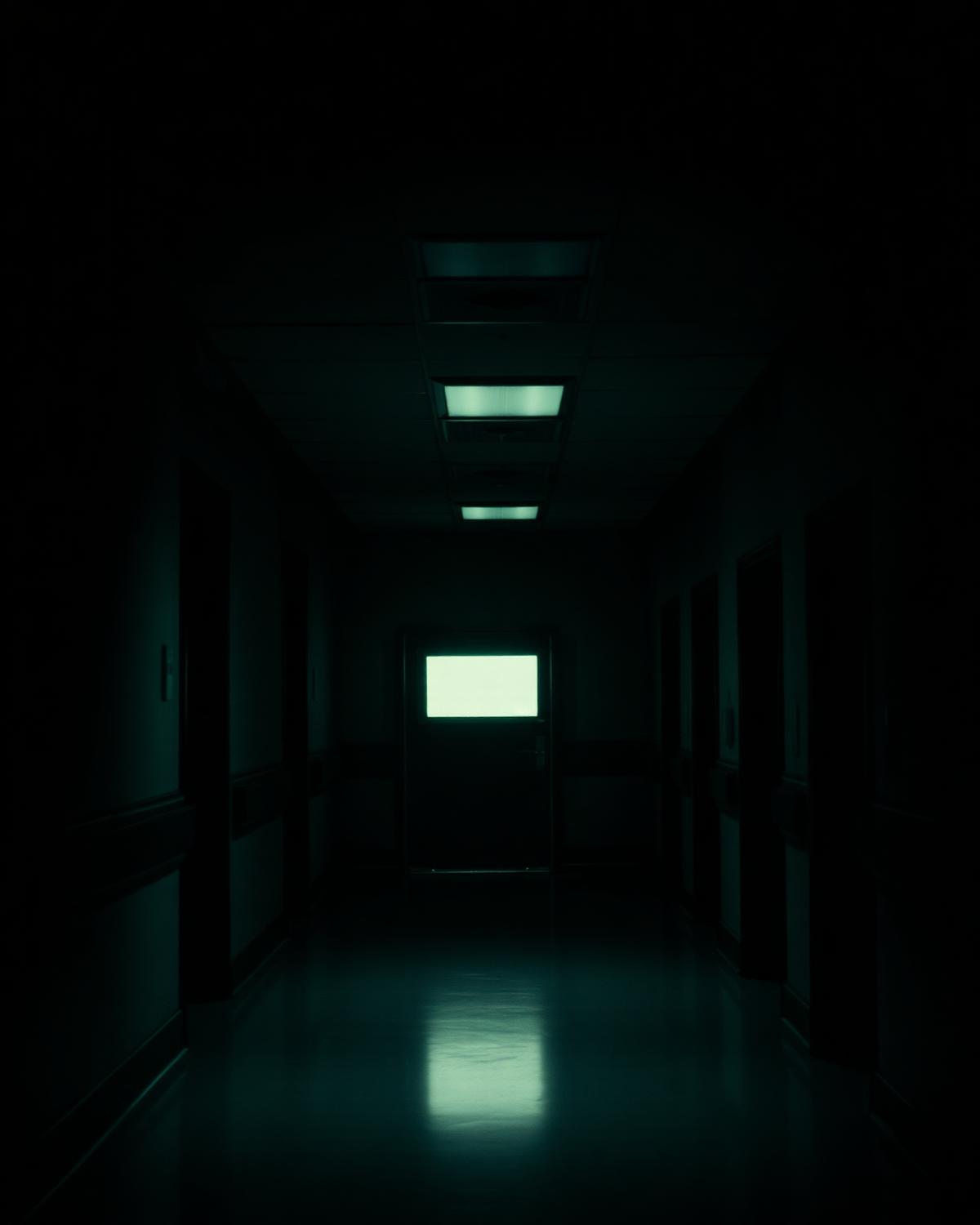
Absence is easier to photograph than presence. A drawer. A corridor. A bed with one side used. The audience finishes the sentence and it lands harder than anything I could have written.
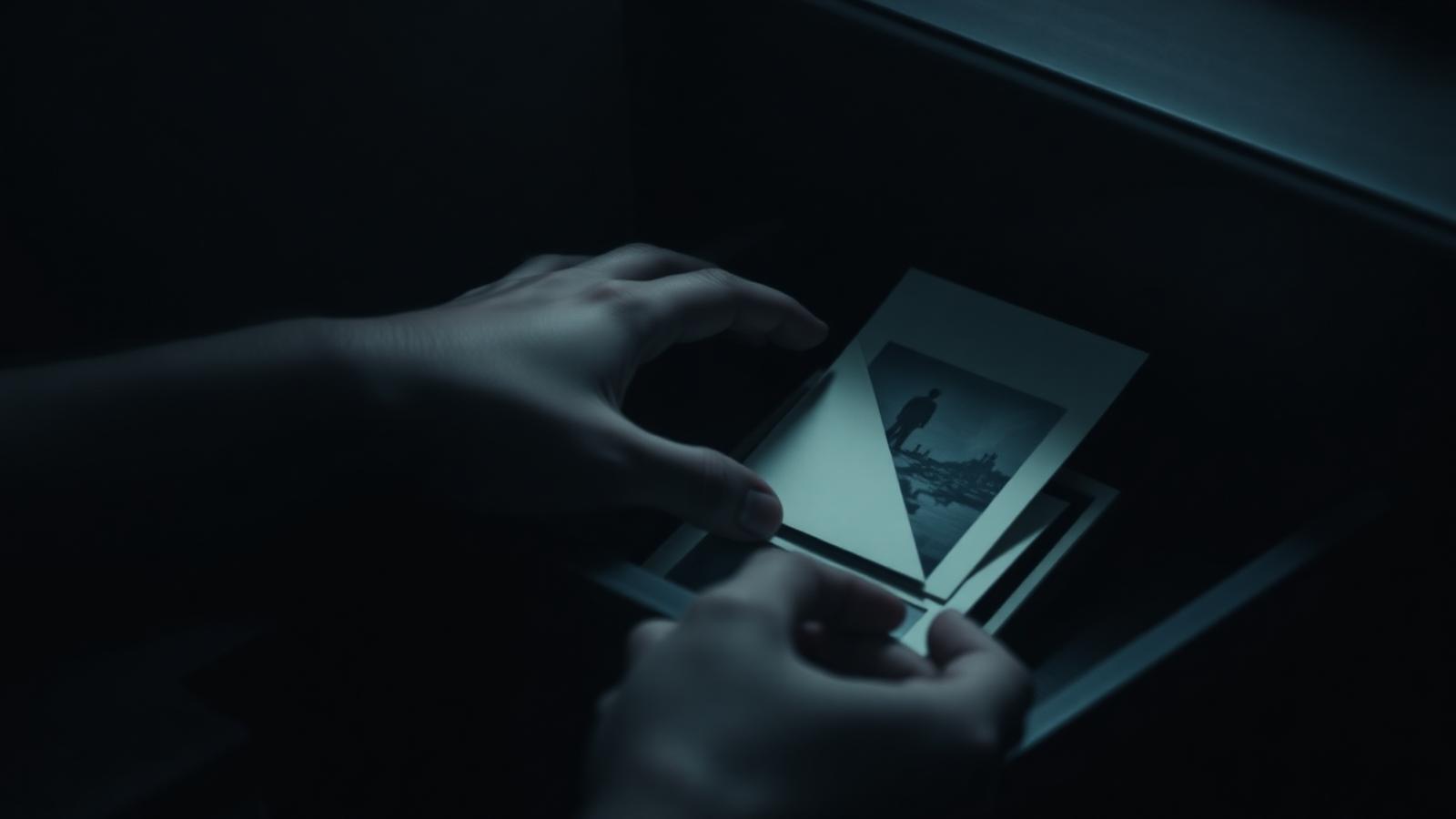
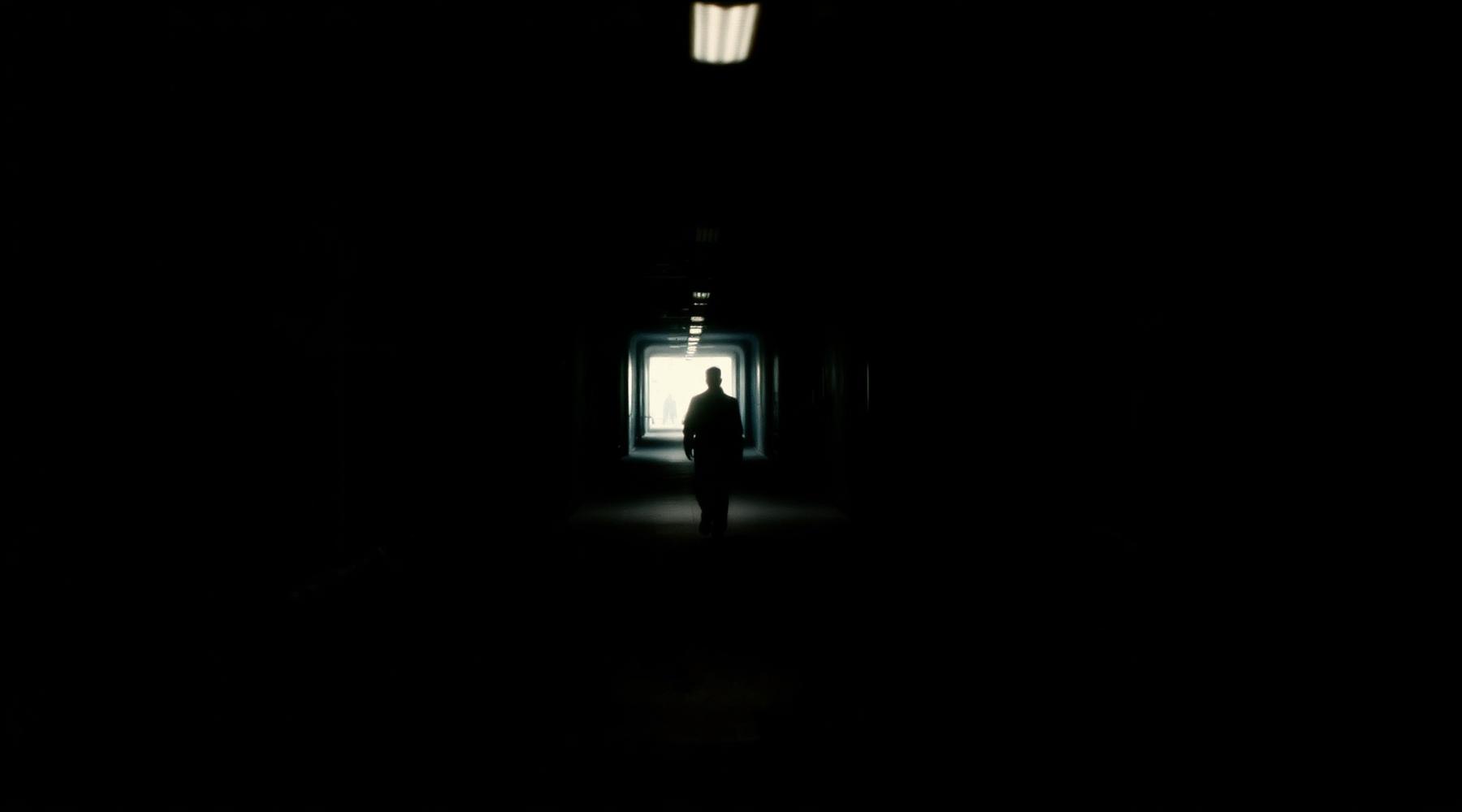
I stopped trying to show what happened. I showed what was left in the room afterwards.
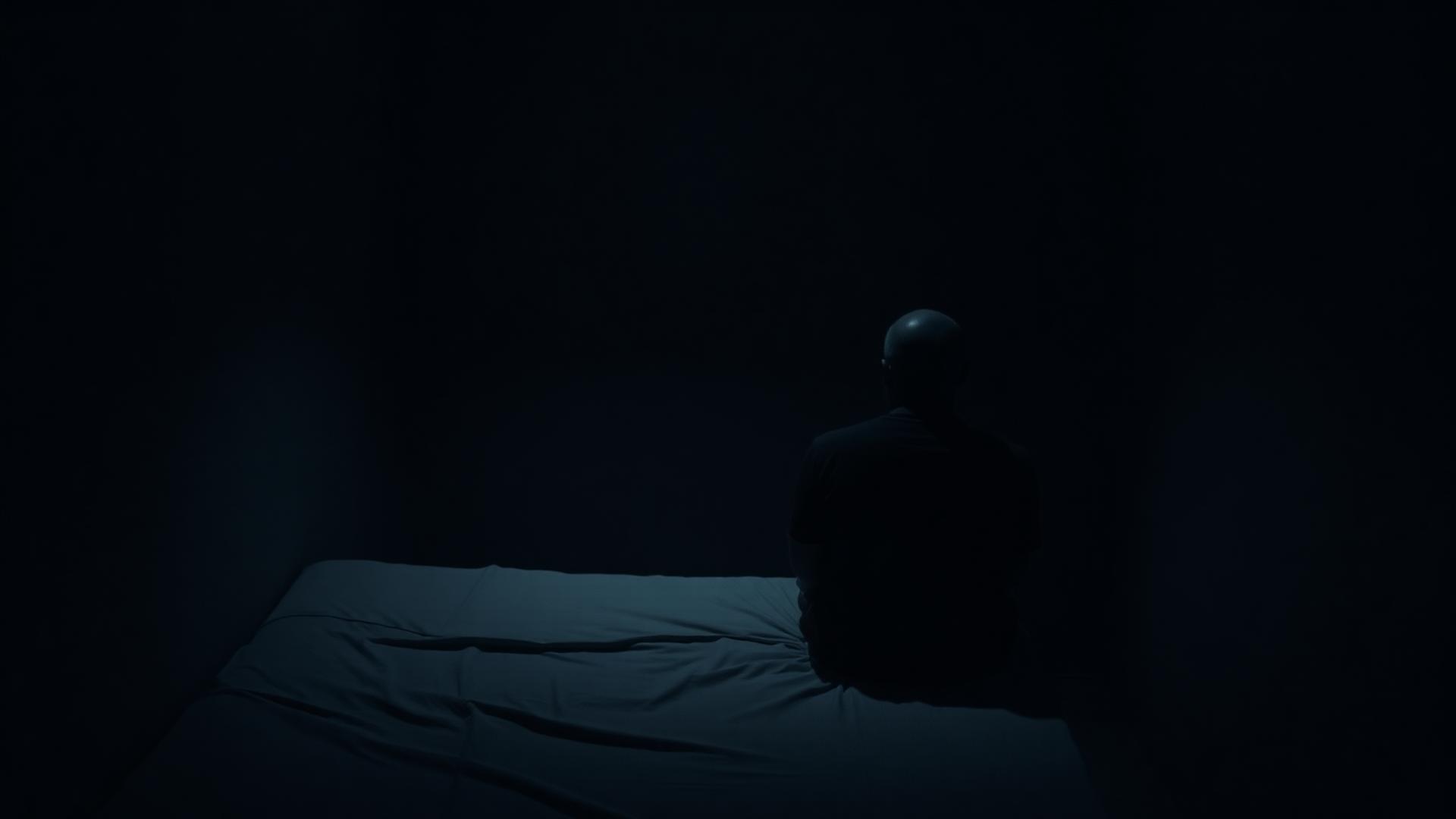
Related project
WHAT REMAINS →